Disclosure: This is an editorial style guide, not a personal styling appointment. All Fashion Cool may earn a commission from qualifying links. If the invitation, wedding website, or the couple’s guidance conflicts with general advice, follow the hosts.
The most reliable answer to what to wear to a wedding as a guest is not a seasonal “must-wear” list. Read the stated dress code, then factor in the time of day, venue, weather, and any religious or cultural notes. Choose polished clothing that honors the couple without competing with them—and that you can wear again.
Quick answer
Start with the invitation or wedding website. Black tie means formal evening attire: a tuxedo, or a floor-length gown or equally formal equivalent. Cocktail means a suit and tie or a dressy midi/cocktail look clearly above everyday clothes. If no dress code is printed, use time and place: a Saturday evening hotel wedding usually sits at cocktail-to-formal; a daytime garden wedding is often dressy but less formal. Avoid white, ivory, and bridal-looking outfits unless the couple has invited them, and pick shoes you can stand and walk in.
This guide is for guests of any gender who want to decode common Western dress-code language. It is not for the wedding party’s prescribed palette, and it is not a substitute for the couple’s instructions or tradition-specific rules you should confirm with the hosts.
How to find the dress code before you shop
Etiquette sources treat the invitation—and the time of the ceremony—as the first clues. The Emily Post Institute’s wedding-guest attire guidance also flags whether the service is secular or religious, local custom, and whether head coverings or covered shoulders may be expected. If the paper invitation is quiet on attire, check the wedding website; The Knot’s dress-code overview (updated July 8, 2026) notes that many couples put details on a Dress Code or FAQ page. If you still cannot tell, ask: “Is this closer to cocktail, formal, or something more relaxed?”
Wedding guest dress codes at a glance
The table below summarizes widely used dress-code language. When sources disagree, the couple’s wording and the venue win.
| Dress code | Typical guest direction | Usually skip |
|---|---|---|
| White tie | Floor-length evening or ball gowns; tuxedo with tails, white waistcoat, and bow tie for traditional menswear. | Cocktail-length dresses, business suits, casual clothes. |
| Black tie | Tuxedo, or a floor-length formal gown or equally formal look. Evening energy, refined accessories. | Daytime casual fabrics, short casual sundresses, informal shirts. |
| Black-tie optional | A tuxedo or evening gown is welcome; a dark suit or elevated midi dress can also work, especially earlier in the day. | Looks that read as office-casual or weekend brunch. |
| Formal | A tailored dark suit and tie, a floor-length or polished cocktail dress, or a sleek jumpsuit. | T-shirts, sneakers, rumpled beachwear at a non-coastal venue. |
| Cocktail | Suit and tie, or a structured midi/cocktail dress, dressy jumpsuit, or elevated separates. More color flexibility than black tie. | Ball gowns that overwhelm a casual venue; jeans and athletic shoes. |
| Semi-formal / dressy casual | A dressy afternoon dress, suit, or polished jacket-and-trouser look. Ties may be optional at the relaxed end; the outfit should still look intentional. | Athleisure, distressed denim, beach flip-flops. |
| Garden or outdoor | Follow the stated formality, then adjust fabrics and shoes for grass, heat, or wind. | Stiletto spikes on lawn, heavy fabrics in high heat, trailing hems in mud. |
| Beach or resort | Breathable, dressy clothing—flowy dresses or linen-blend suits, plus dressy flats or sandals if the ceremony is in sand. | Ball gowns, stiff formal shoes that sink, anything you would only wear to swim. |
Formal, black tie, and cocktail—where people get stuck
Formal and black tie are easy to under-shoot because everyday “nice” clothes live closer to the office than to eveningwear. If the invitation says black tie, a dark business suit is usually a step down; a tuxedo, or a floor-length gown or equivalently formal look, is the safer reading. Black-tie optional is the gray zone: a tuxedo or long gown is welcome, and a sharply tailored dark suit or elevated midi dress can also work, especially earlier in the day. Cocktail, the most common modern request, means a clearly dressy outfit that does not trail on the floor. A versatile dress you already own can earn its keep here; our Madewell dresses overview is a starting point for shape ideas, not a dress-code rulebook.
Garden, beach, and weather
Outdoor weddings add a comfort problem that indoor rooms hide. The Knot’s location notes are practical: on grass, block heels, wedges, loafers, or stable flats usually beat skinny stilettos; on sand, a dressy flat often beats a formal pump. Use lightweight fabrics in heat and a real layer if the evening cools down. A classic coat you already wear is more useful than a novelty wrap; see our trench coat buying guide if you need a cut that can go over dressier clothes.
Religious and cultural notes, at a high level
Some ceremonies take place in a house of worship or follow dress customs that are about respect, not fashion. Emily Post asks guests to consider whether the couple’s religion or culture requires head coverings, and whether bare shoulders, bare arms, or open-toed shoes would be unwelcome. Read the invitation, check the website, and ask if you are unsure. A wrap, jacket, or longer hem is a better solution than arguing the dress code in the abstract.
Color and pattern pitfalls—especially white and ivory
A widely observed guest custom in many Western weddings is to avoid wearing white, ivory, cream, or other bridal-looking tones unless the couple has asked for them. The point is to keep attention on the people getting married. Off-white lace, champagne satin, and all-white suits can cause the same confusion as a white gown. A small white print on a darker background, or a white shirt under a dark jacket, is usually a different case—but if the overall impression is bridal, choose something else. Logos, slogans, and costumes are poor defaults unless the couple invited a theme. Black is often appropriate for evening and formal weddings, but if you know the couple or their tradition treats black as mourning attire, ask or choose another deep color.
Shoes, bags, and all-day comfort
Comfort is how you stay present. If you cannot stand through a ceremony, walk a gravel path, or dance for an hour, the outfit has failed. Break in shoes beforehand. Keep the bag modest: a clutch or compact shoulder bag, not a weekday tote on the ceremony chair. A belt can sharpen a jumpsuit or tailored trouser look; our belt-fit guide can help you match width and buckle without buying a novelty piece.
How to dress well without a one-wear costume
You do not need a new outfit for every invitation. A dark suit, a non-white midi or cocktail dress, a dressy jumpsuit, and walkable dress shoes will cover many weddings with only a change of accessories. That is the same reuse logic as a small capsule wardrobe—buy the gap, not a one-event costume. Prefer a silhouette you can wear to a dinner or another celebration, and consider renting formalwear for a rare black-tie invitation. Casual or country dress codes sometimes allow polished dark denim; wash it carefully so a good pair stays guest-appropriate.
What to skip
- White, ivory, cream, or clearly bridal silhouettes, unless the couple invited them.
- Anything that upstages the wedding party on purpose: theatrical costumes, oversized trains, or slogan clothing.
- Clothes that ignore the venue: stilettos in a garden, heavy formalwear at a hot beach ceremony, or beachwear at a formal hotel wedding.
- Everyday casual defaults—graphic tees, athletic sneakers, distressed jeans—unless the hosts have clearly set a casual or themed dress code that includes them.
- Brand-new, unworn shoes and last-minute outfits you cannot wear again.
A note on other guest events, including baby showers
The same logic—read the invitation, respect the hosts, and avoid upstaging the honoree—also applies to other daytime gatherings such as a baby shower. Formality and color customs are usually different, so use that event’s own invitation rather than a wedding black-tie chart. This article stays on wedding guest attire.
A practical checklist
- Find the dress code on the invitation or wedding website. If it is missing, ask.
- Note ceremony time, indoor or outdoor setting, and likely weather.
- Check whether a house of worship or cultural custom affects coverage or headwear.
- Audit your closet and try the outfit on with the actual shoes and bag.
- Rule out white, ivory, and anything that looks like bridalwear.
- Confirm you can walk and stand in the shoes, and pack blister bandages plus a layer if needed.
FAQ
What should I wear if there is no dress code on the invitation?
Use time, venue, and local custom. Evening events in formal venues usually call for cocktail or formal attire; daytime outdoor weddings often sit at semi-formal or dressy casual. When unsure, one step more formal is safer, and asking the couple is better than both.
Can I wear black to a wedding?
Often yes, especially in the evening or at a formal event. If you know the couple’s culture or family treats black as mourning dress, choose another deep color or ask.
Can I wear a white print or a white shirt?
A white shirt under a jacket, or a small print on a darker base, is usually different from an all-white guest outfit. If the first impression is bridal, change it.
What if I am not comfortable in a dress or a suit?
Dress codes describe formality, not one garment type. A tailored jumpsuit, dressy separates, or a well-cut suit can meet cocktail or formal expectations when the fabric matches the event.
Are these rules only for women?
No. The same dress-code ladder applies to every guest. Menswear language in etiquette guides is one common path, not the only way to look appropriately formal.
How is this different from what to wear to a baby shower as a guest?
A shower is usually a shorter, more casual daytime event. Look considered and comfortable, but do not automatically reach for cocktail or black-tie wedding clothes unless the hosts have set that tone.
Bottom line
What to wear to a wedding as a guest is a reading-comprehension problem before it is a shopping problem. Honor the stated dress code, the venue, and the couple; avoid bridal-looking white; and choose clothes and shoes you can stay in for hours.
Sources: Emily Post Institute, “Wedding Guest Attire: What to Wear to a Wedding”; The Knot, “Wedding Dress Codes: A Deep Dive Into Every Kind of Attire,” updated July 8, 2026. Accessed November 16, 2026.
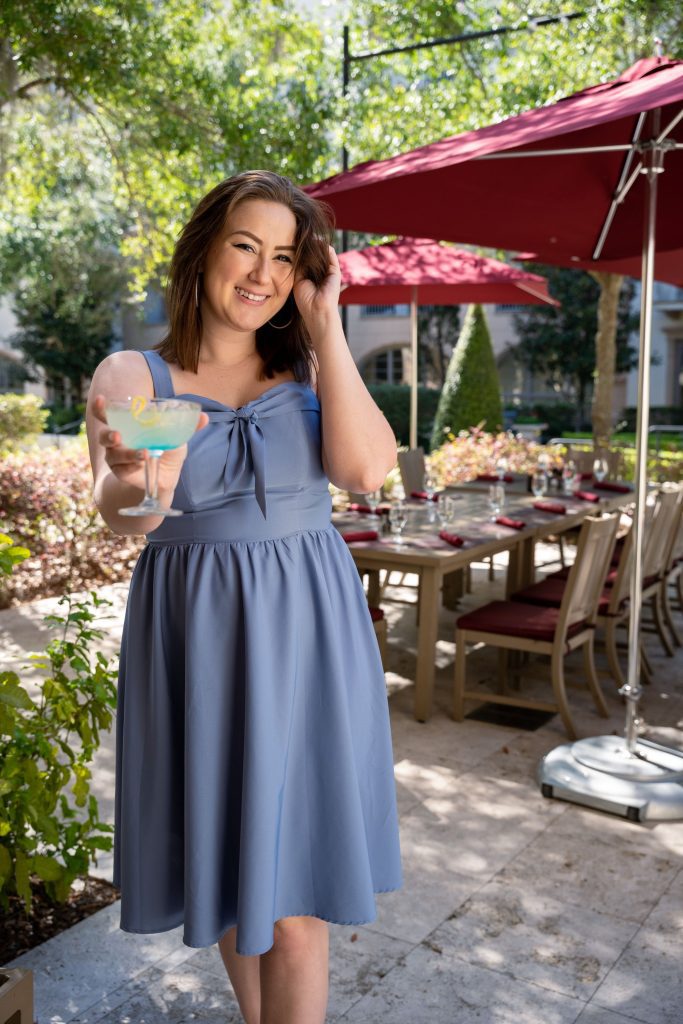
Cover photo: Christina Petsos on Pexels (Pexels License).