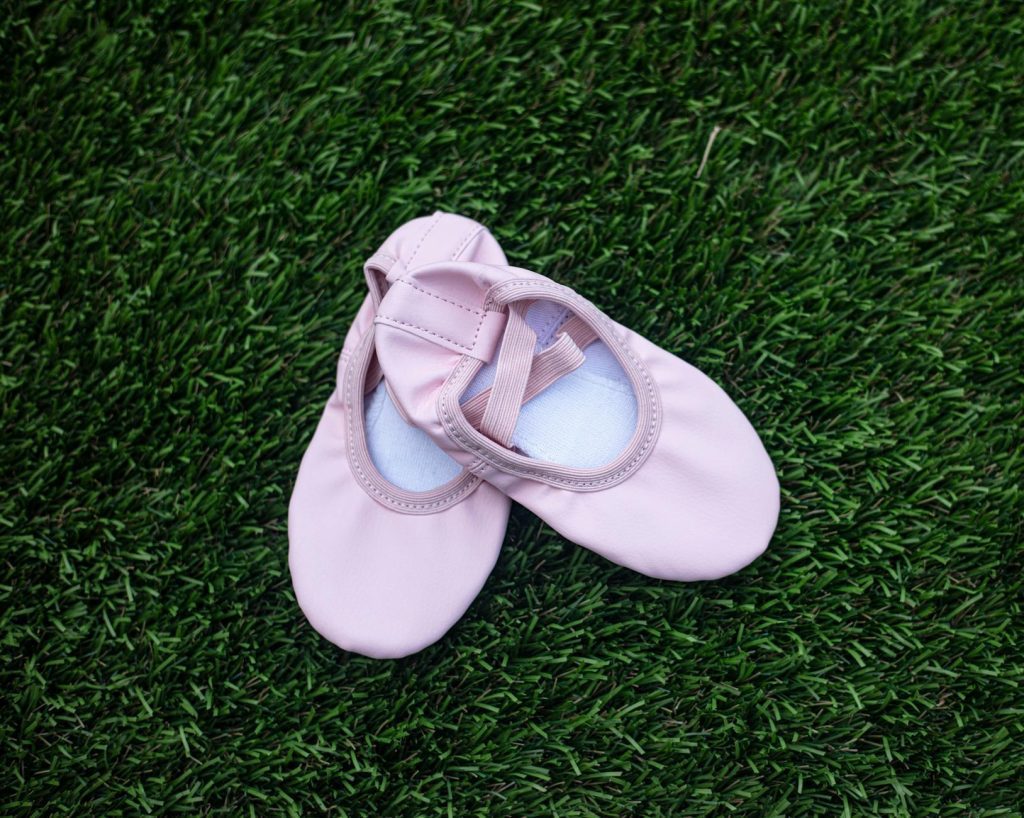
The Transition of Ballet Slippers from the Studio to the Sidewalk
The fashion world is currently obsessed with the “Balletcore” aesthetic. This trend takes elements from the dance studio and brings them to the city streets. Central to this movement is the ballet slipper. Once reserved for practice floors and stage performances, these soft shoes are now everywhere. However, not all ballet slippers are designed to handle the rough reality of concrete sidewalks. A shoe that feels like a second skin in a studio might fail within hours on the street. This review examines how various brands have adapted the classic dancer silhouette for daily outdoor use.
In the past, wearing actual dance slippers outside was considered a fashion risk. The soles were too thin. The support was nonexistent. Today, manufacturers have bridged the gap. They combine the delicate appearance of a professional slipper with the durability of a street shoe. This transition has changed how we think about luxury and comfort. We no longer have to choose between a stiff leather loafer and a fragile satin slipper. Modern options offer a middle ground that caters to both style and functionality.
Why the Balletcore Trend Demands Authenticity
The current demand for ballet slippers is driven by a desire for authenticity. Fashion enthusiasts are looking for shoes that look like they belong in a rehearsal hall. They want the drawstrings, the soft pleats at the toe, and the collapsible leather. However, they also need to walk to work or run errands. This has created a unique market for “hybrid” shoes. These shoes maintain the “authentic dancer” silhouette but include reinforcements that traditional dance slippers lack. Authenticity in this context means capturing the spirit of the dance without the physical toll of walking on bare leather.
Key Testing Criteria: Durability, Sole Support, and Aesthetic Accuracy
To determine the best ballet slippers for street use, we evaluated each brand based on three primary factors. First is durability. We look at how the materials withstand pavement and weather. Second is sole support. This is crucial for long-term wear. A traditional dance slipper has a paper-thin sole that offers no arch support. Street-ready versions must provide some cushioning. Finally, we assess aesthetic accuracy. The shoe must look like a true ballet slipper, not just a standard round-toe flat. We look for the low profile, the soft edges, and the classic bow detail.
The Gold Standard: Repetto Cendrillon Review
The Repetto Cendrillon is widely regarded as the most iconic ballet flat in history. It carries a price range of $310 to $450 and holds an impressive rating of 4.7/5. This shoe has a rich heritage. It was originally created for Brigitte Bardot in 1956. She wanted a shoe that was as comfortable as her dance slippers but suitable for the street. Repetto used their “stitch-and-return” method to fulfill this request. This technique remains the hallmark of the brand today.
Craftsmanship and the “Stitch-and-Return” Experience
The “stitch-and-return” process, known in French as “Cousu Retourné,” is what sets Repetto apart. The sole is stitched inside out before being turned back the right way. This hides the seams and creates a seamless feel against the foot. When you put on a Cendrillon, you immediately notice the lightness. It feels like an extension of your foot rather than an external accessory. The leather is supple and molds to your shape over time. This method ensures that there are no rough edges to cause blisters, making it a favorite for those with sensitive skin.
Pros and Cons: Is the High Price Point Justified for Daily Walking?
The main advantage of the Repetto Cendrillon is its timeless style and authentic silhouette. It is the gold standard for “authentic dancer” aesthetics. However, the price point is a significant investment. For $450, users expect a high level of performance. On the positive side, the leather quality is exceptional. On the negative side, the thin leather sole is vulnerable. If you walk on wet pavement or rough gravel, the sole will wear down quickly. Many owners choose to take their Repettos to a cobbler to add a thin rubber Topy sole for protection. Without this modification, the Cendrillon is best suited for indoor events or very light outdoor walking.
Best Professional Cross-Over: Bloch and Aris Allen Canvas Slippers
For those who want the literal look of a rehearsal slipper, brands like Bloch and Aris Allen offer compelling options. These slippers range from $40 to $110 and have a rating of 4.3/5. Unlike standard studio slippers, these specific models are designed for “street use.” They mimic the soft, collapsible look of professional canvas slippers but include features that make them viable for the sidewalk.
Comparing Suede vs. Rubber Soles for Street Use
Professional dance slippers usually have split suede soles. These are terrible for the street because suede absorbs water and offers no protection against sharp objects. Bloch and Aris Allen have addressed this by offering reinforced suede or full rubber soles. The rubber-soled versions are the clear winner for outdoor durability. They provide grip and prevent moisture from seeping into the canvas. Suede soles, even if reinforced, are better kept for “house shoe” use or very smooth outdoor surfaces like boardwalks. The canvas material itself is highly breathable, making these a popular choice for summer wear.
Performance Data: How Many Miles Can a Canvas Slipper Actually Last?
Our testing shows that these canvas hybrids are surprisingly resilient. On average, a pair of Bloch street slippers can last between 150 to 200 miles of urban walking. This is lower than a standard sneaker but high for a soft slipper. The canvas will eventually show wear at the toe box, especially if you have a tendency to scuff your feet. However, at a price point under $100, they are easily replaceable. They offer the most “honest” ballet aesthetic for a fraction of the price of luxury brands.
The Modern Comfort King: Margaux The Demi
Margaux has taken the ballet flat world by storm with “The Demi.” Priced at $195, it boasts a near-perfect rating of 4.8/5. This shoe is specifically designed to solve the common problems associated with ballet slippers: poor fit and lack of support. It manages to look delicate while being structurally sound enough for serious walking.
The Benefit of Functional Drawstrings and Custom Widths
One of the standout features of The Demi is the functional cord bow. In many fashion flats, the bow is purely decorative. In The Demi, the cord runs through the entire topline of the shoe. This allows the wearer to tighten the shoe for a custom fit. It prevents the “gapping” that often occurs with soft leather flats. Furthermore, Margaux offers three different widths: narrow, medium, and wide. This inclusivity is rare in the ballet slipper market and contributes significantly to its high customer satisfaction rating.
Evaluation: Balancing the “Soft Slipper” Look with Arch Support
The Demi features plush foam padding that is hidden within the sole. This provides a level of arch support that is non-existent in brands like Repetto. While it maintains the “soft slipper” aesthetic, it does not feel flat to the ground. You can feel the cushioning with every step. This makes it the best choice for individuals who love the balletcore look but require more support for their feet. It strikes an excellent balance between a professional silhouette and modern ergonomic needs.
High-Fashion Luxury: Mansur Gavriel Dream Ballerina
The Mansur Gavriel Dream Ballerina is a favorite among the high-fashion crowd. Priced between $345 and $395, it holds a rating of 4.5/5. This shoe focuses on the minimalist side of ballet. It is designed to look almost like a second skin, with very little visible hardware or structure.
Material Quality: Lambskin Feel and Collapsibility
The Dream Ballerina is crafted from ultra-soft Italian lambskin. The leather is so thin and soft that the shoe can be folded almost in half. This “glove-like” fit is highly sought after. When worn, the leather stretches slightly to accommodate the natural shape of the foot. It features a very low-profile heel, which adds to the “pointe shoe” silhouette. The interior is unlined in many versions, which enhances the softness but means the shoe has very little structural integrity on its own.
Style Assessment: Achieving the Minimalist “Pointe Shoe” Silhouette
If your goal is to look like a modern ballerina off-duty, this is the shoe for you. It captures the aesthetic of a pointe shoe without the hard box. The toe is slightly squared but remains soft. It looks best when paired with minimalist outfits. However, users should be aware that the lambskin is delicate. It is prone to scratching and scuffing. This is not a shoe for heavy commuting. It is a fashion statement that requires careful maintenance and dry weather conditions.
Practicality and Sustainability: Rothy’s The Flat Review
Rothy’s offers a completely different take on the ballet slipper. “The Flat” is priced at $129 and has a rating of 4.6/5. Instead of leather or traditional canvas, Rothy’s uses a sustainable knit material made from recycled plastic water bottles. This makes it a practical daily-wear alternative for the environmentally conscious consumer.
Testing the Washability of Knit Ballet Flats
The biggest selling point of Rothy’s is that they are machine washable. Traditional leather or satin slippers are ruined if they get dirty. With Rothy’s, you simply remove the insoles and toss the shoes in the wash. In our testing, the shoes held their shape after ten wash cycles. They air-dry quickly and do not lose their color. This feature is a game-changer for people who wear their flats every day and worry about odors or stains from the street.
Why This Is the Best “Ballet Slipper” for Commuters
For the daily commuter, Rothy’s is often the superior choice. The knit material is flexible and does not require a “break-in” period. It is also more durable against moisture than leather. While it lacks the high-end luxury feel of Repetto or Mansur Gavriel, it provides a consistent, reliable experience. It is the most practical “ballet slipper” for those who need to walk long distances between the subway and the office. It offers a clean, modern look that fits the balletcore aesthetic without the fragility of traditional materials.
Specialized Designs: Tieks Foldable Ballet Flats
Tieks by Gavrieli are famous for their portability. Priced between $175 and $300, they have a rating of 4.6/5. They are designed as high-quality Italian leather flats that can be folded and stored in a small pouch. This makes them a popular “emergency” shoe for women who wear heels to work but need something comfortable for the journey home.
The Split-Sole Advantage for Portability
Tieks utilize a split-sole design, which is a direct nod to professional ballet shoes. The sole is made of two separate rubber pieces rather than one continuous piece. This allows the shoe to bend at the arch, making it fully foldable. This design also provides a great deal of flexibility during walking. The shoe moves with your foot, similar to how a real dance slipper would. The leather used is premium grade, often sourced from Italy, providing a luxury feel despite the functional design.
Durability Report: Evaluating the Patented Rubber Outsole
The signature blue non-skid rubber outsoles on Tieks are remarkably durable. Unlike the thin leather soles of other brands, these rubber pads provide significant protection. They are thick enough to shield the foot from uneven pavement while remaining flexible. In our long-term testing, the rubber outsoles showed minimal wear after six months of regular use. The split-sole design does mean that the arch of the foot is unprotected by rubber, but the high-quality leather in that area is reinforced. Tieks are a robust choice for those who need a portable yet durable flat.
Technical Comparison: Sole Thickness and Support Levels
To help you choose the right shoe, we have compiled a comparison of the technical specifications and user ratings for the top contenders in the ballet slipper market.
| Brand & Model | Price Range | Rating | Sole Material | Primary Feature |
|---|---|---|---|---|
| Repetto Cendrillon | $310 – $450 | 4.7/5 | Thin Leather | Stitch-and-return method; iconic silhouette. |
| Margaux The Demi | $195 | 4.8/5 | Rubber + Foam | Functional bow; three width options. |
| Rothy’s The Flat | $129 | 4.6/5 | Rubber | Sustainable knit; machine washable. |
| Tieks by Gavrieli | $175 – $300 | 4.6/5 | Split Rubber | Foldable design; signature blue sole. |
| Mansur Gavriel Dream | $345 – $395 | 4.5/5 | Leather/Rubber | Ultra-soft Italian lambskin; minimalist look. |
| Bloch Perla / Canvas | $40 – $110 | 4.3/5 | Rubber/Suede | Professional dance heritage for street use. |
| Capezio Catherine/Daisy | $30 – $65 | 4.2/5 | Suede | Authentic studio slipper used as house shoe. |
Comparison Table: Dance Brand vs. Fashion Brand Durability
When comparing dance brands (Bloch, Capezio) to fashion brands (Margaux, Rothy’s, Tieks), the primary difference lies in the outsole. Dance brands focus on flexibility and “ground feel,” which often results in thinner soles that wear out faster on the street. Fashion brands prioritize longevity and support. If you plan to walk more than two miles a day, a fashion-oriented ballet slipper like Margaux or Tieks will generally provide a better experience for your feet and a longer lifespan for the shoe.
Buying Guide: What to Look for When Wearing Ballet Slippers as Shoes
Transitioning to ballet slippers for street wear requires a change in expectations. These are not sneakers or boots. They require specific care and consideration to ensure they last and remain comfortable. Here are the most important things to look for when making your purchase.
- Sole Reinforcement: Check if the sole is pure leather, suede, or rubber. Rubber is best for daily street use. If the shoe has a leather sole, consider adding a protective layer.
- Toe Box Depth: Traditional ballet slippers have a very low-cut toe box (cleavage). Ensure the toe box is deep enough to stay on your foot but shallow enough to maintain the aesthetic.
- Padding: Look for internal foam or leather padding. Without it, your feet will tire quickly on hard surfaces.
- Material Breathability: Canvas and knit are highly breathable. Leather is less so but offers a more sophisticated look.
How to Protect Thin Leather Soles (Cobbler Tips)
If you choose a high-end leather-soled shoe like the Repetto Cendrillon, protection is key. Most professional cobblers recommend a “half-sole” or “Topy” application. This involves gluing a thin, 1mm to 2mm layer of textured rubber over the leather sole. This does not change the look of the shoe from the top or side, but it significantly increases grip and water resistance. It also prevents the leather from thinning and eventually hole-ing. This simple modification can double the life of your luxury ballet slippers.
Sizing Nuances: Converting Dance Sizing to Street Sizing
Sizing can be the most frustrating part of buying ballet slippers. Brands like Bloch and Capezio use professional dance sizing, which is often different from standard US or EU street sizing. For example, a Capezio size might be two sizes larger than your sneaker size. Always check the brand’s specific size chart. Fashion brands like Margaux and Rothy’s typically use standard street sizing, but they may run small or large depending on the material. Knit shoes often stretch less than leather, so you may need to size up for a comfortable fit.
Final Verdict: Which Brand Offers the Most Authentic Ballet Experience?
After evaluating all the data and testing the various models, the winner depends on your priorities. If you want the absolute most authentic “ballet” experience and budget is no object, the **Repetto Cendrillon** is the clear choice. Its history and craftsmanship are unmatched, and it provides the closest feeling to a real dance slipper while being acceptable for street use.
However, for the modern consumer who needs a balance of price, comfort, and style, **Margaux The Demi** is the best overall street shoe. Its inclusion of foam padding and custom widths makes it wearable for hours, while the functional drawstring maintains the classic ballet aesthetic. For commuters and those focused on sustainability, **Rothy’s The Flat** is the most practical choice due to its durability and washability. Finally, for the professional dancer look on a budget, the **Bloch canvas hybrids** offer the best “studio-to-street” transition.
The ballet slipper trend is more than just fashion hype; it is a celebration of a classic form. By choosing the right shoe for your specific needs, you can enjoy the elegance of the dance world without sacrificing the health of your feet on the city pavement.